LYMPHATIX

A new approach to heart-failure congestion.

We are developing a temporary, catheter-based approach to support lymphatic drainage in hospitalized patients with persistent fluid overload.

In preclinical development. Not commercially available.

Connect with our team   Explore our approach

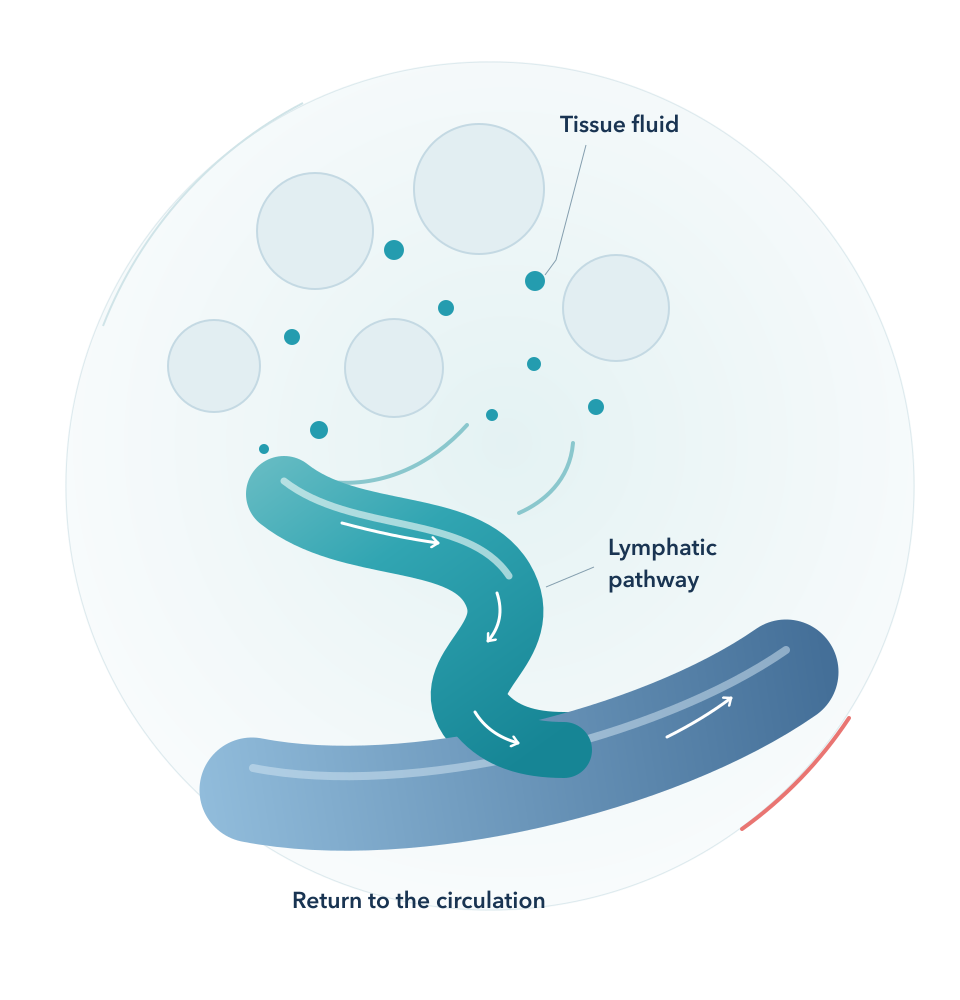
Conceptual illustration of tissue fluid entering the lymphatic pathway and returning to the circulation. No Lymphatix device is shown.

Conceptual physiology. No device shown.

 THE PROBLEM

When fluid stays in the tissues

For people living with heart failure, congestion can mean breathlessness, swelling, and repeated hospital care. Established treatments remain essential, but some patients continue to experience difficult-to-treat fluid overload.

The lymphatic system collects excess fluid from tissues and returns it to the bloodstream. When pressure in the veins is elevated, that return can become more difficult. Fluid can accumulate when drainage cannot keep pace.

This makes lymphatic drainage an important pathway to investigate alongside existing heart-failure treatment.

Scientific background: Itkin, Rockson and Burkhoff, JACC (2021)

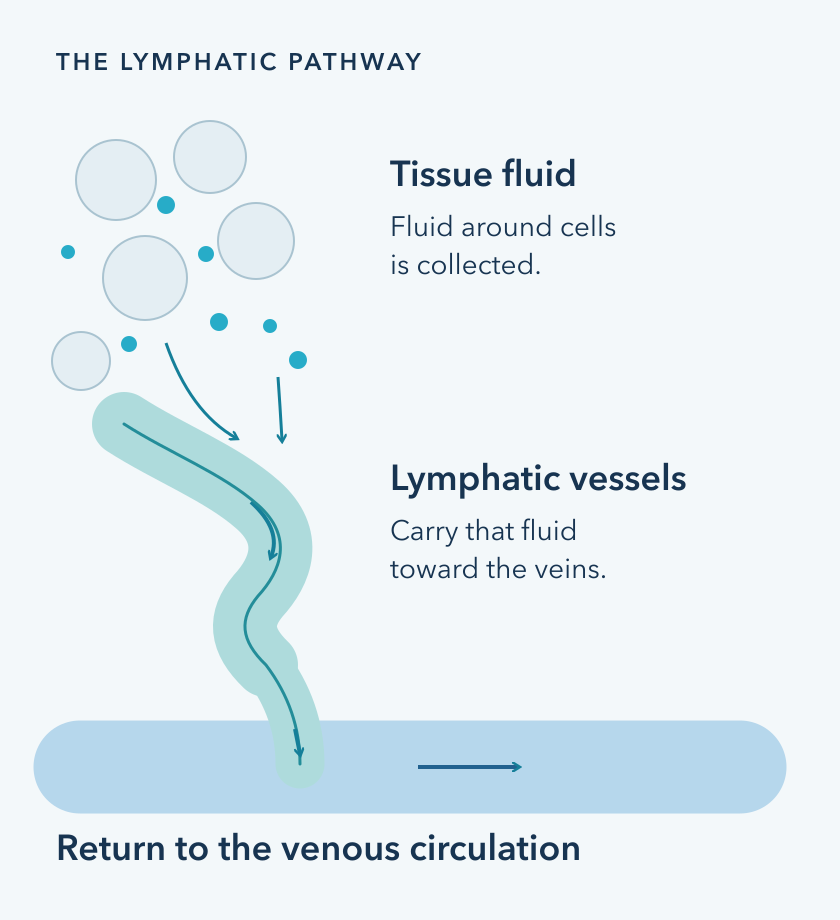
Conceptual physiology: excess tissue fluid enters lymphatic vessels, travels toward the veins, and returns to the venous circulation. Arrows show normal flow; no Lymphatix device is depicted.

How fluid normally returns from tissues to the circulation. Conceptual physiology, not a depiction of the Lymphatix device.

OUR APPROACH

Supporting the body's fluid-drainage pathway

Our initial program focuses on temporary catheter-based lymphatic decompression during hospital care. The aim is to support tissue-fluid drainage alongside established heart-failure treatment.

We are designing around device function, procedural practicality, and the needs of clinical teams, with hospital workflows in mind from the outset.

Our preclinical program must establish evidence for the safety and performance of Lymphatix's own system.

DEVELOPMENT

Building the evidence

We are advancing a focused preclinical program, using engineering results to guide each next step. Our current development priorities are:

  • Prototype refinementRefine the integrated system around device function and practical use.

  • Bench evaluationEvaluate performance under relevant conditions and inform design decisions.

  • Preclinical preparationPrepare for further studies of safety and feasibility.

Our technology is not commercially available. This website does not offer treatment or clinical-study enrollment.


TEAM

Clinical insight.
Device-development experience.

Combining heart-failure expertise with decades of cardiovascular-device engineering to address a practical clinical need.

 
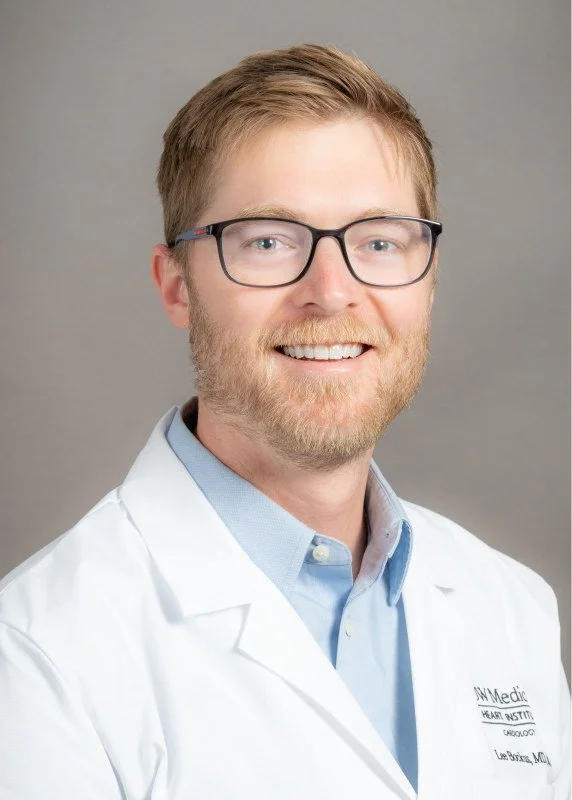
Lee Bockus, MD, PhD, FACC, founder of Lymphatix.

Lee Bockus, MD, PhD, FACC

Founder

A cardiologist and physician-scientist with experience in heart-failure research and cardiovascular clinical development, Lee leads Lymphatix's clinical and translational strategy.

Joseph Armstrong, Chief Technology Officer of Lymphatix.

Joseph Armstrong

Chief Technology Officer

Joe brings more than 30 years of medical-device development experience, including cardiovascular implants and catheter delivery systems at W. L. Gore & Associates. He leads engineering and development planning.

CONTACT

Let's move the work forward.

We welcome conversations with clinicians, research and engineering collaborators, strategic partners, and early-stage investors.

Contact our team to learn more. Investor materials are shared privately on request.

info@lymphatix.med

Lymphatix on LinkedIn